
Will Robots Replace Teachers?
AI and the Future of Education

If you are a teacher - Are you worried about AI taking over your job? Or perhaps you're excited about the possibilities AI unlocks for learning? The future of education is being rapidly reshaped by artificial intelligence, and it's a topic that sparks both excitement and anxiety. In this post, I will explain how AI is already impacting education, what the future might hold, and whether robots will truly replace teachers.
This article is based on UNESCO’s AI and Future of Education report (2030)
Here's what we'll cover in today’s article:
Current AI applications in education: From personalized learning to automated grading.
Potential benefits and challenges: Exploring the pros and cons of AI in the classroom.
The role of teachers in the age of AI: Will teachers become obsolete, or will their role evolve?
How AI is Already Transforming Education
AI is no longer a futuristic fantasy; it's already being used in classrooms around the world. Let's look at some key applications:
Personalized Learning: AI algorithms can analyze student performance and tailor learning paths to individual needs. This means students can learn at their own pace and focus on areas where they need the most help.
# Example: A simplified AI-powered learning path recommendation
student_performance = {"math": 0.7, "science": 0.9, "history": 0.6} # Scores between 0 and 1

if student_performance["history"] < 0.7:
    print("Recommend additional history resources.")
elif student_performance["math"] < 0.7:
    print("Recommend additional math resources.")
else:
    print("Student is performing well. Continue with current curriculum.")
Automated Grading: AI can automate the grading of multiple-choice tests, essays, and even code, freeing up teachers' time for more personalized instruction.
Intelligent Tutoring Systems: AI-powered tutors can provide students with instant feedback and support, helping them to master new concepts.
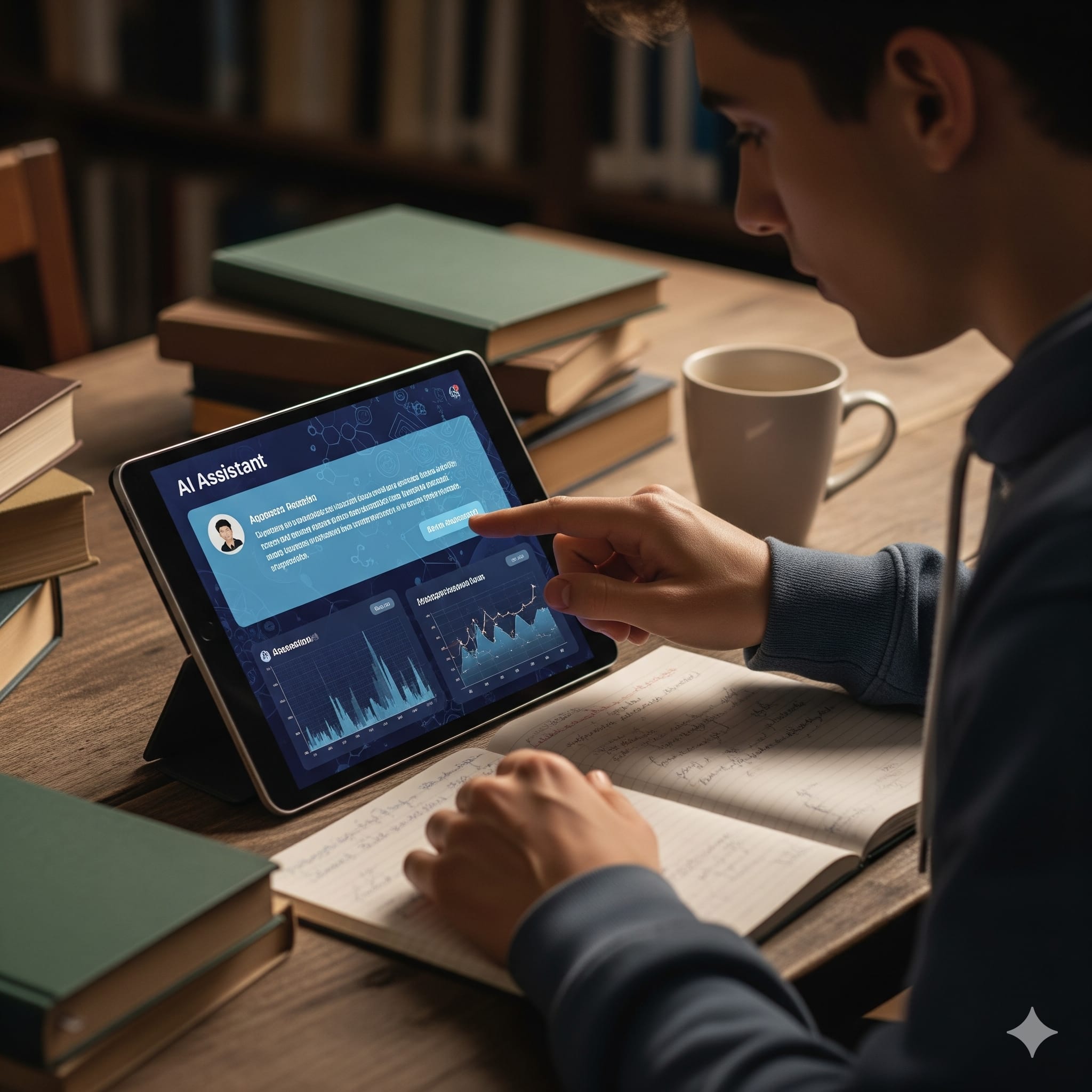
Accessibility: AI can translate languages in real-time, making education more accessible to students from diverse backgrounds. AI can also generate audio descriptions for visual content, assisting students with visual impairments.
The Promise and Peril of AI in Education
While AI offers many exciting possibilities, it's important to consider the potential challenges:
Benefits:
Increased Efficiency: AI can automate tedious tasks, freeing up teachers' time.
Personalized Learning: AI can tailor learning to individual student needs.
Improved Accessibility: AI can make education more accessible to students with disabilities and those from diverse backgrounds.
Data-Driven Insights: AI can provide teachers with valuable data on student performance, allowing them to make more informed decisions.
Challenges:
Data Privacy: Protecting student data is crucial.
Bias: AI algorithms can be biased, leading to unfair outcomes.
Cost: Implementing AI solutions can be expensive.
The "Human Touch": Can AI truly replace the empathy and understanding of a human teacher?
The Evolving Role of Teachers
The most important question: will AI replace teachers? The answer is almost certainly no. Instead, AI will likely augment the role of teachers, allowing them to focus on what they do best:
Mentoring and Guidance: Teachers will play a more important role in mentoring and guiding students, helping them to develop critical thinking skills and emotional intelligence.
Curriculum Design: Teachers will be responsible for designing engaging and relevant curricula that meet the needs of their students.
Facilitating Collaboration: Teachers will create opportunities for students to collaborate and learn from each other.
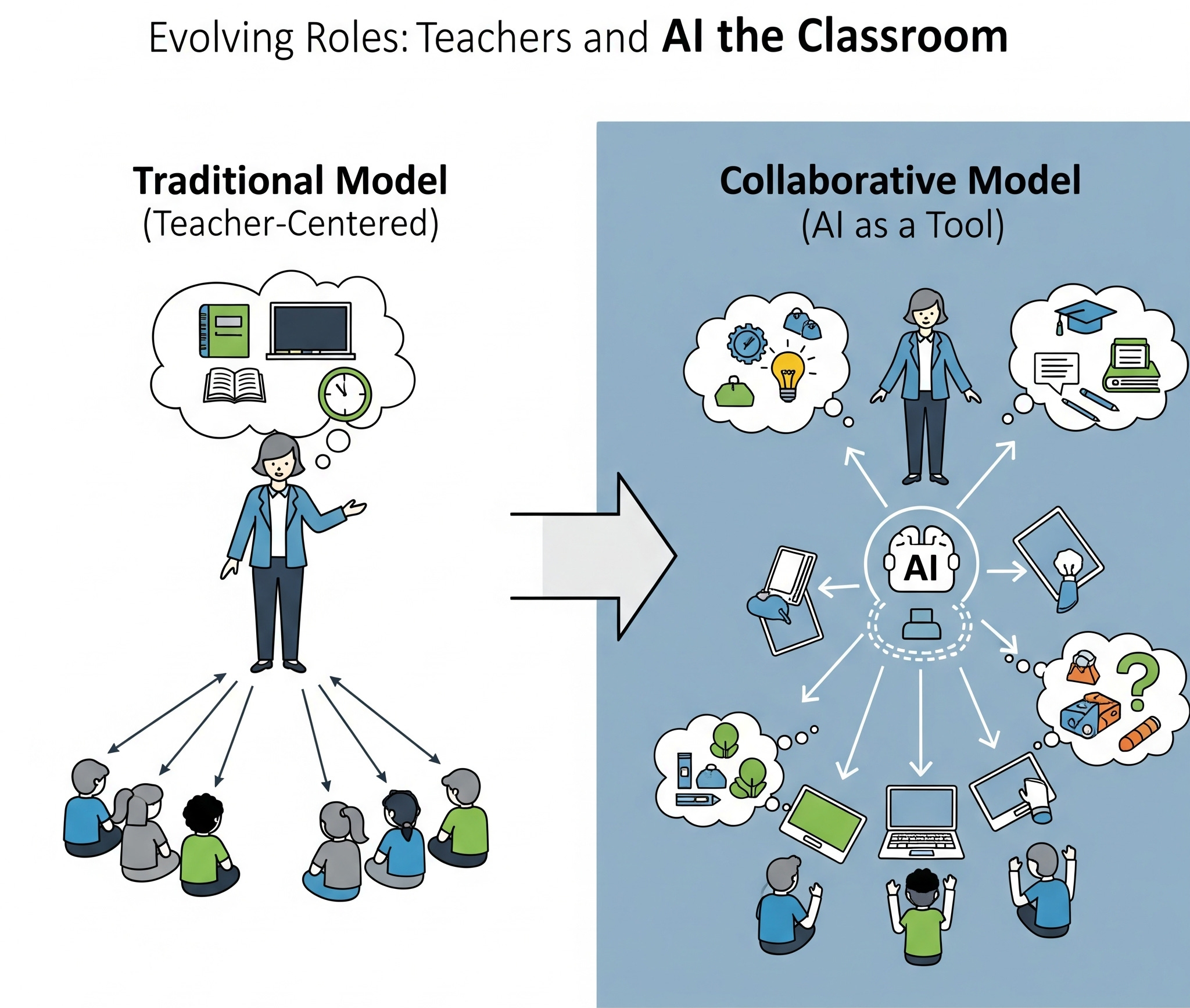
Teachers will need to develop new skills to effectively use AI in the classroom. This includes:
Data Literacy: Understanding how to interpret and use data from AI systems.
AI Ethics: Understanding the ethical implications of using AI in education.
Technology Integration: Knowing how to effectively integrate AI tools into the curriculum.
Call to Action:
AI is poised to revolutionize education, offering the potential for more personalized, efficient, and accessible learning experiences. While challenges remain, the benefits of AI in education are undeniable.
The key is to embrace AI as a tool to augment the role of teachers, not replace them.
The future of education is a partnership between humans and machines, working together to empower the next generation of learners.Ready to explore the future of education? Subscribe to our newsletter for more insights and updates on AI and its impact on learning! Leave a comment below and tell us what you think about AI in education.
Join the Explainable AI Skool Community:
As parents, we’re always looking for ways to help our kids build skills that prepare them for the future. One area that’s impossible to ignore today is Artificial Intelligence (AI). It’s shaping education, careers, and industries faster than ever before.
Have you ever felt the your high schooler is feeling lost and fighting the thought of AI replacing jobs. How to keep up with ever changing advancements in AI? Because I am in similar boat as well.
That’s why I’m launching Explainable AI—a community built to make AI accessible, creative, and practical for teens (and lifelong learners too!).
This is a space where learning AI goes beyond the buzzwords—it’s about making it explainable, engaging, and empowering for the next generation.
Join the community for free - Explainable AI Skool Community link
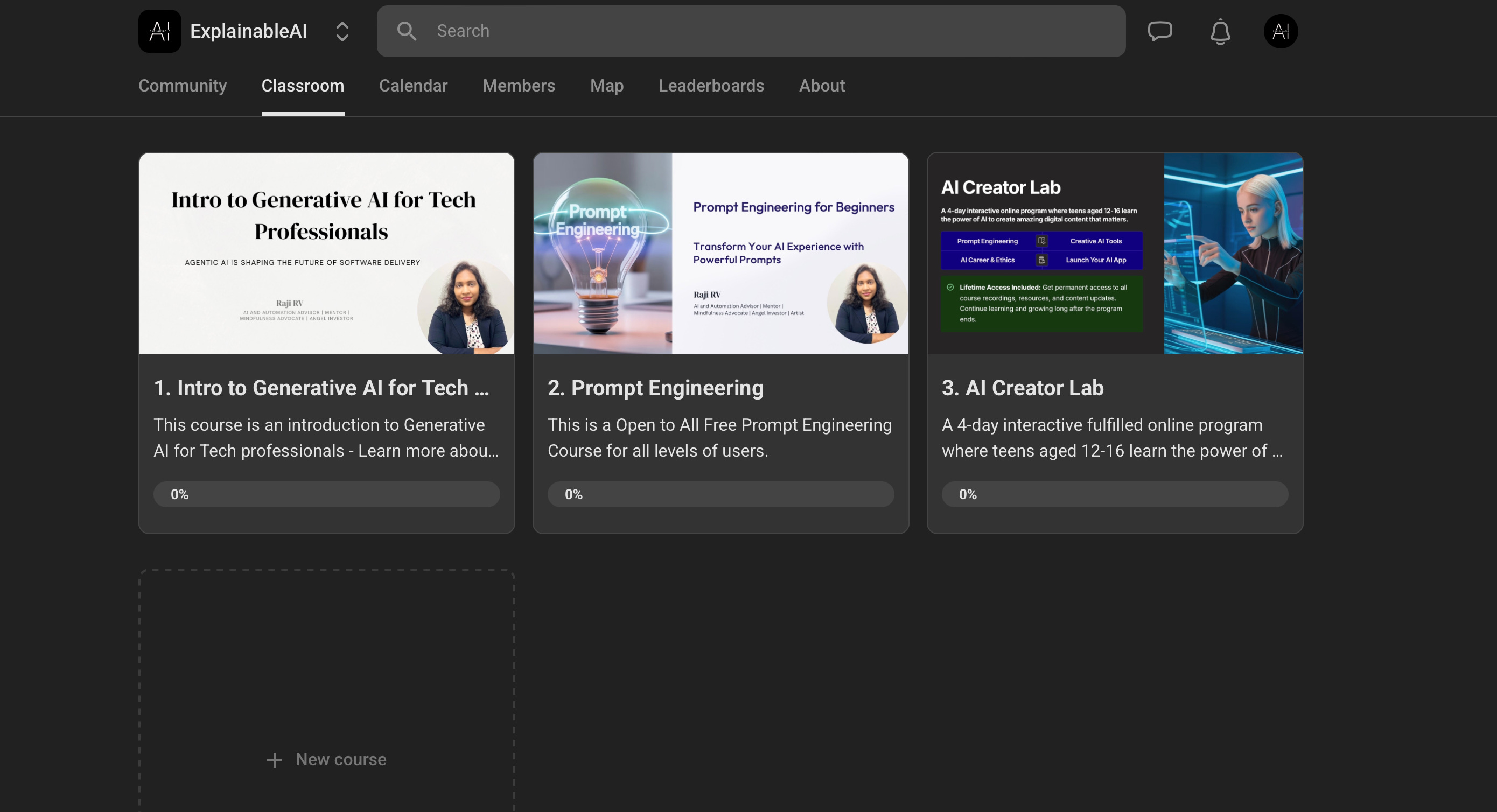
I will be publishing lots of free courses and time-to-time small group paid lessons from the real world industry learnings.
Reference:
Hey Raji, totally agree that AI should be a powerful tool to boost education, not a replacement for teachers! Kids leaning on AI for homework is a problem, but the real issue is that learning happens through human connection, not just info-dumping. Without that personal touch, it’s just a pile of mental clutter. Great post😊